
PRECEDE
Western Port is one of the most unique ecosystems in the world; it is home to a variety of fauna and flora like mangroves and migratory shorebirds, which has given it international recognition. However, the bay has yet to receive a formal direction for its future, which would structure development and ensure conservation. The central authority for the UNESCO reserve says a strategic framework is needed more than ever. Gazette journalist Corey Everitt reports.
BREAKOUT QUOTE
“Without a framework, we’re locked into a sort of whack-a-mole approach to dealing with these threats.”
Western Port Bay is one of UNESCO’s protected biosphere reserves, while as a wetland it is also recognised as a Ramsar site of importance.
It’s only one of five such recognised sites in the country and the only one in south-eastern Australia.
The 2,142 square kilometres that make up the reserve cross four local government areas and French Island.
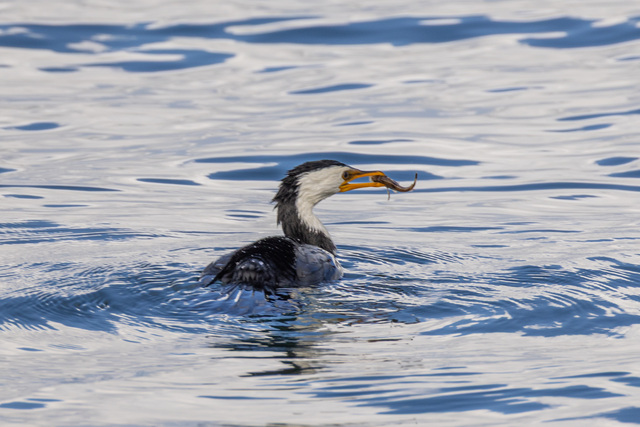
The fauna that call the bay home are extensive; from little penguins at Phillip Island, koalas on French Island to the shorebirds who feed on the coast.
Bird species diversity in Victoria can thank Western Port for 65 percent of it.
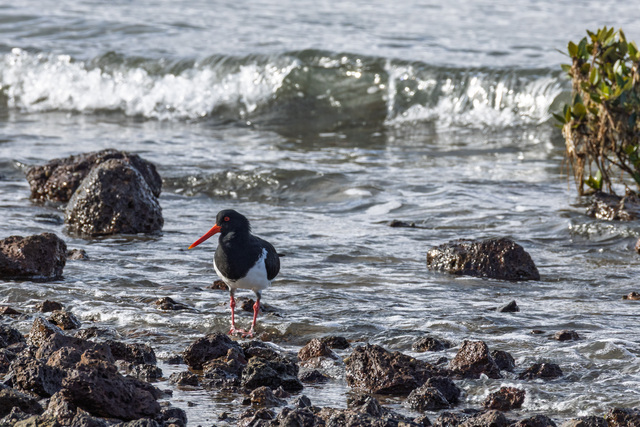
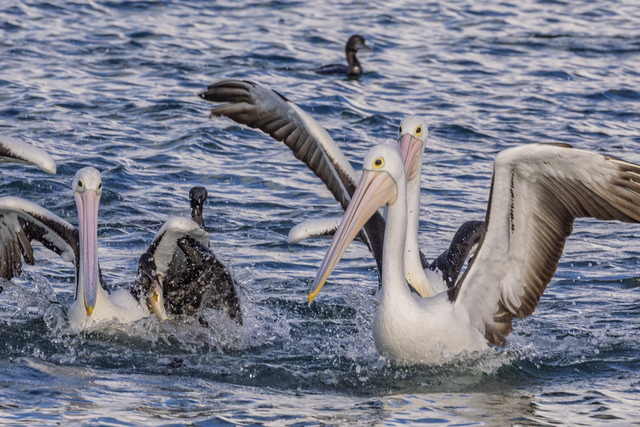
It’s considered one of three sites critical to Australian shorebird populations, 12 per cent is said to flock to Western Port every summer, flying from as far as Siberia and back to the bay in their yearly migration.
Western Port is one of the few places where the critically endangered orange-bellied parrot has been recorded in recent memory.
Pookila, also known previously as the New Holland Mouse, is spotted locally and a reintroduction program is underway at Pearcedale’s Moonlit Sanctuary.
The bay also supports an average of 10,000 ducks and black swans.
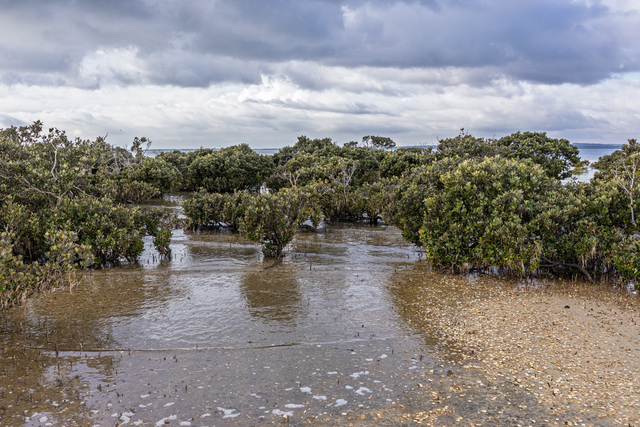
The flora diversity is equally diverse; the bay’s most distinct feature is housing the world’s most southerly mangrove forests alongside vast mudflats, saltmarshes and sandy beaches.
Beneath the water is a highly diverse ecosystem of marine life that brings thousands and thousands of anglers every year to hook its many unique fish.
Western Port has a bit of everything, from marine, coastal to island environments.
Despite its international status, the bay’s conservation is still struggling.
Seagrass meadows that are critical for fish habitat, water quality and sequestering carbon have declined significantly, 85 per cent of which was lost in just the 1970s and 80s.
Runoff from urban and agricultural areas has kept water quality consistently poor or very poor in the estuaries across Western Port, according to the EPA Victoria’s annual reports.
A 2024 report by the City of Casey said Tooradin faces the highest risk of erosion from sea level rise among Melbourne’s coastal towns, with a projected 80cm rise by 2100.
According to the Port Phillip and Western Port Regional Catchment Strategy, the erosion around Lang Lang is expected to be severe. Currently, the future of the town’s foreshore park and its accompanying boat sheds is in doubt due to rising sea levels.
The erosion has been exacerbated by the decline of mangroves, which help to stablise the coast and provide significant biomass to feed the ecosystem, much like seagrass.
Much of the significant woodlands have been lost to development, whether residential or industrial.
The Western Port Biosphere Reserve Foundation, the delegated authority of UNESCO, has long called for a Western Port Strategic Framework to regulate the ongoing impacts of development to refocus conservation efforts.
Biosphere CEO Mel Barker said many groups are dedicated to preserving the bay, but the work is fragmented without a framework.
“Management of Western Port – including efforts to protect its rich marine and coastal environments – is currently fragmented, siloed and inefficient. A strategic framework would help forge a unity of vision and direction for all stakeholders,” she said.
“There’s no shortage of knowledge or passion among Western Port’s many stakeholders—including local communities—but what’s missing is the structure to bring it all together. Crucially, a framework is also needed to properly recognise and elevate the knowledge, custodianship and deep connection of Traditional Owners to Sea Country.”
All four councils, Mornington Peninsula, Bass Coast, Cardinia and Casey, that overlap with Western Port have endorsed the need for a strategic framework.
Mr Barker said the first step would be for the state government to initiate a “Marine Spatial Plan” to begin the coordination of work according to existing coastal legislation.
“Western Port’s environment is deteriorating across multiple environmental health measures, so we urgently need a framework. Water quality remains a serious concern, with estuarine inflows regularly rated as poor – adding strain to Western Port’s already vulnerable marine ecosystems,” she said.
“Key species are in decline, and the catchment is under pressure from rapid urbanisation. We’ve also seen a wave of industrial proposals over the years that don’t align with the bay’s environmental or cultural significance.
“Without a framework, we’re locked into a sort of whack-a-mole approach to dealing with these threats.
“With population growth accelerating and climate impacts intensifying, we need a proactive, coordinated plan that can guide decision-making and protect what matters most. The good news is the community is ready, councils are on board, and the support is already there.”
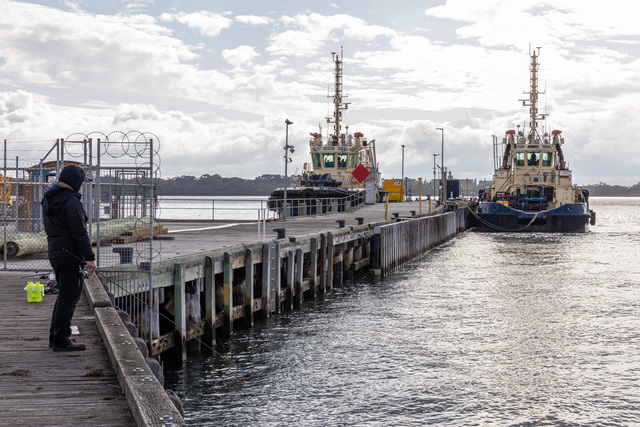
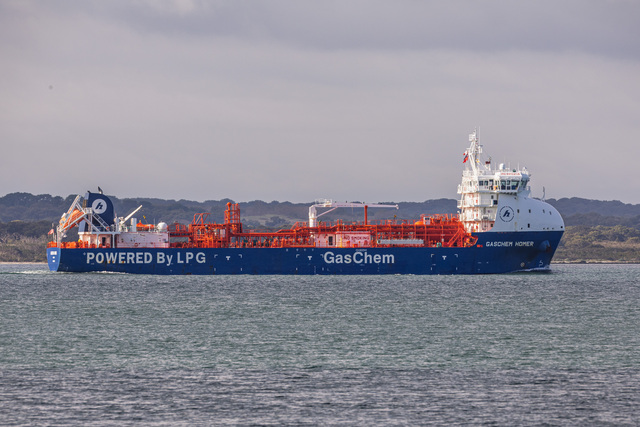
Amidst the challenges at the bay, the state government’s main goal currently is to see the development of the Port of Hastings for a renewable energy terminal.
The terminal would be the site of construction for massive wind turbines, which will be installed in Bass Strait for the state government’s bid to lead the country in offshore wind.
Last year, then environment minister Tanya Plibersek vetoed approval of the terminal because the renewable project was found to be destructive to the Western Port environment, requiring the dredging of a vast area of the coastal seabed.
As reported in this edition, a new 2,700-page proposal for the terminal has been submitted by the state government.
Though much of the dredging and overall impacts has been scaled back and the biosphere has not declared support or opposition to the new proposal, they believe a dedicated framework for Western Port should come before any major development.
A state government spokesperson said authorities are working to manage Victoria’s coastal environments with the development of the Marine and Coastal Strategy 2022, which includes Western Port.
“We continue to work with the Commonwealth Government on support for Australia’s first offshore wind industry which is critical to the nation’s energy security and pushing down energy bills across the country,” they said.
“We’re working with the relevant authorities to protect and manage the environmental values of Western Port Bay – including through the delivery of the Marine and Coastal Strategy 2022 which involves Marine Spatial Planning Framework to explore where environmental management plans may improve the condition and ecological connectivity in bays and inlets.”
You can find out more about the proposed Port of Hastings terminal at renewableenergyterminal.com.au/planning/commonwealth-epbc-referral
You can find out more and support the biosphere at biosphere.org.au/donate/