




A grassroots push for greener living is taking root in Casey, where residents recently joined a hands-on composting session to learn how small changes at home can make a big impact on the environment and their wallets.
“Composting sessions are part of a broader waste education initiative designed to empower the community with practical, sustainable habits that can be implemented at home.”
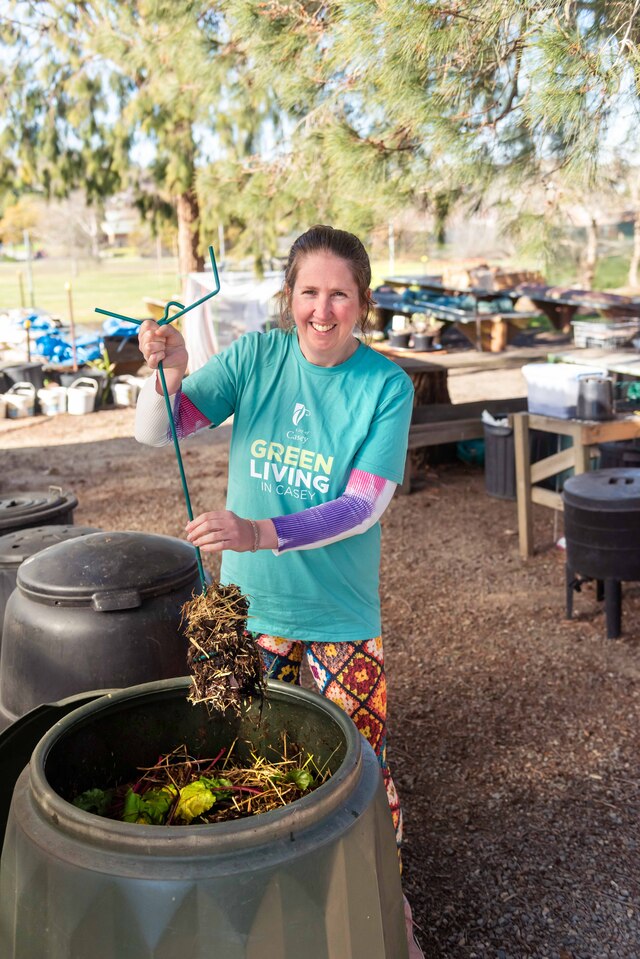
Residents got their hands dirty for a good cause on Saturday 21 June, taking part in a composting education session at the Old Cheese Factory in Berwick.
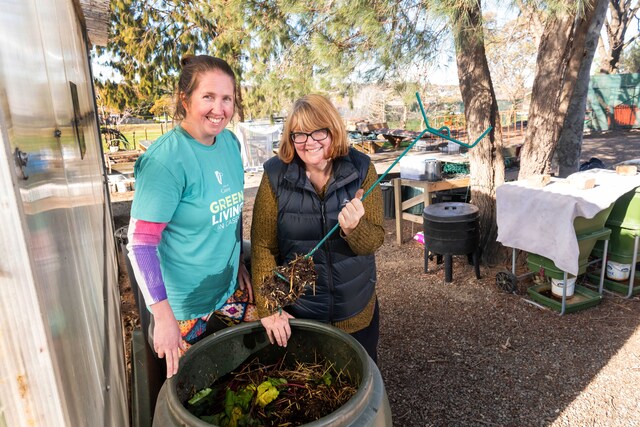
Led by Casey Council’s environment education officer, Abbie Lane, the session offered a practical and interactive introduction to composting — from choosing the right system to mastering the basics of managing food and garden waste at home.
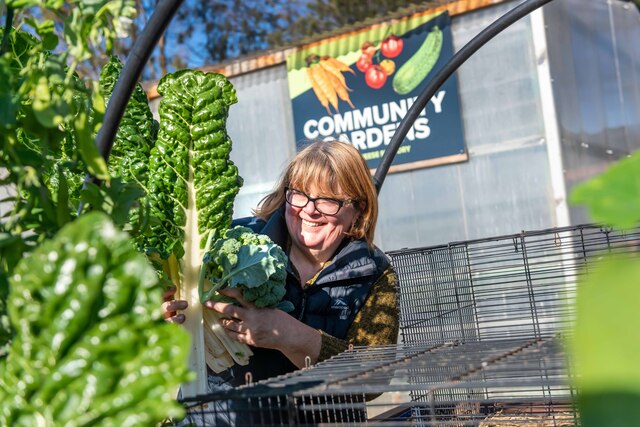
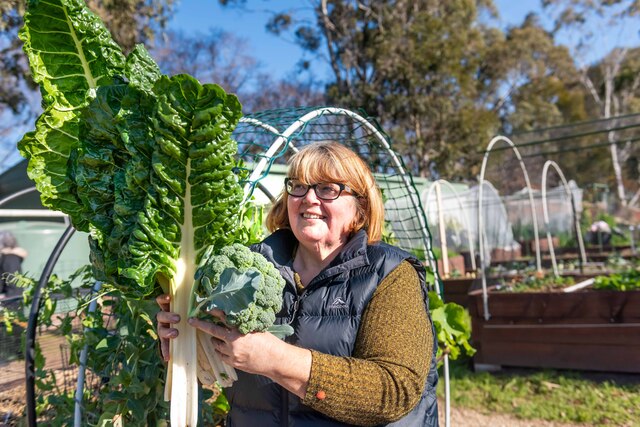
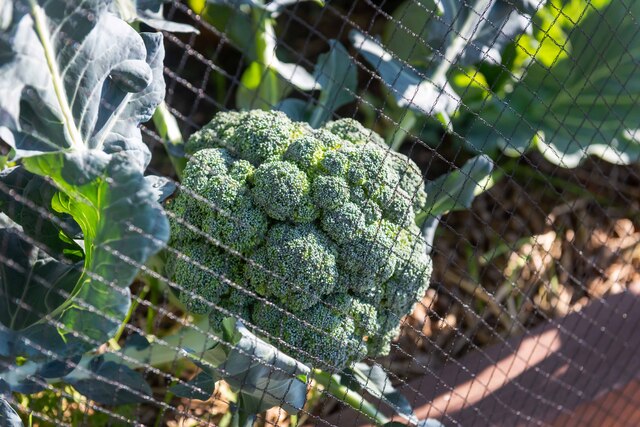
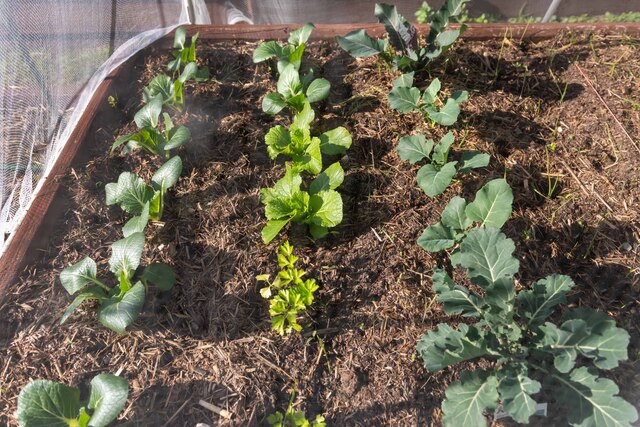
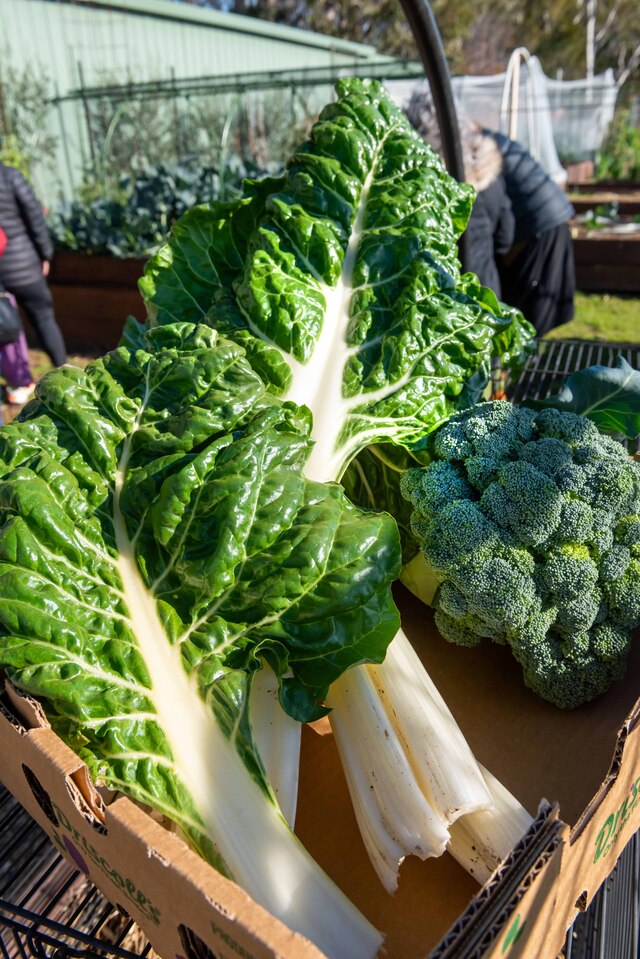
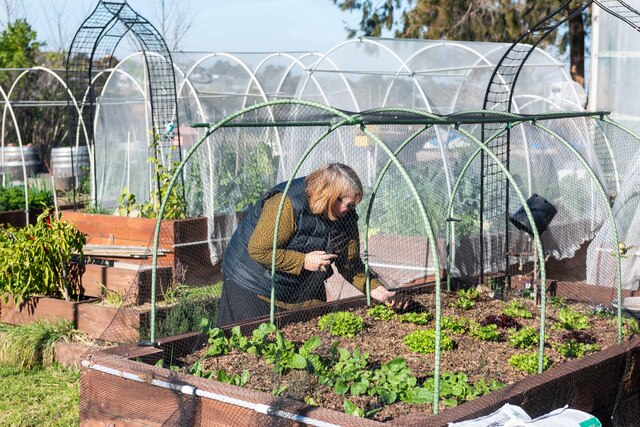
Participants had the chance to visit a nearby community garden, where they saw composting techniques in action and learned how to integrate sustainability into everyday life.
These small-scale efforts align with broader climate goals, helping reduce the city’s reliance on landfill and move toward a more circular, low-waste future.
“Council is dedicated to reducing landfill waste, improving environmental outcomes, and helping residents save money,” Abbie said.
“These composting sessions are part of a broader waste education initiative designed to empower the community with practical, sustainable habits that can be implemented at home.”
Participants learned that composting relies on balancing “wet” green materials like food scraps with “dry” brown items such as newspaper, autumn leaves, and paper bags. They were advised to turn their compost weekly to introduce oxygen, which speeds up decomposition and prevents unpleasant odours. They were also reminded to avoid adding strong-smelling items in large quantities and to never compost pet waste.
Several composting systems were introduced, including:
– Traditional compost bins: suitable for general garden and food waste.
– Worm farms: ideal for food scraps and smaller households.
– Bio fermenters: use microbes to break down waste quickly, offering faster results and suited for those seeking faster results.
From backyard gardeners to apartment dwellers, the session showed that composting is an achievable and adaptable solution for all households — no matter their size or setup.
“Worm farms and compact bio fermenters are particularly well-suited for people living in apartments or homes with limited outdoor space,” Abbie said.
“These methods are efficient, space-saving, and easy to manage indoors or on balconies.”
The event also fostered a sense of community, bringing together residents from different walks of life who share a common goal — to live more sustainably and care for the environment, one compost bin at a time.
Abbie saw the potential in every participant and believes that anyone can make a difference with the right knowledge and tools.
“Composting is simple once you understand the method, maintaining a balance of materials is crucial, and turning your compost weekly can significantly speed up the process,” she said.
“It’s also important to choose a composting method that fits your lifestyle and available space.
Most importantly, reducing food waste before it even reaches the compost bin is the most effective way to make a positive environmental impact.”
She is pleased to see the community embracing composting, noting that the rewards (both environmental and financial) make the effort worthwhile, despite the initial learning curve.
“Composting offers numerous benefits, including reducing landfill waste and greenhouse gas emissions. It also enriches soil, improves plant health, and helps soil retain moisture, which can reduce the need for watering,” she said.
“By composting at home, residents can save money on purchasing commercial compost and reduce food waste, which can lead to significant savings. Depending on household size and habits, these savings can range from hundreds to even thousands of dollars.”
The City of Casey is encouraging passionate gardeners and sustainability advocates to help promote composting and support ongoing community education to reduce food waste and protect the environment.
With strong local interest, Casey Council plans to continue offering workshops and resources that support residents in adopting more environmentally responsible lifestyles.
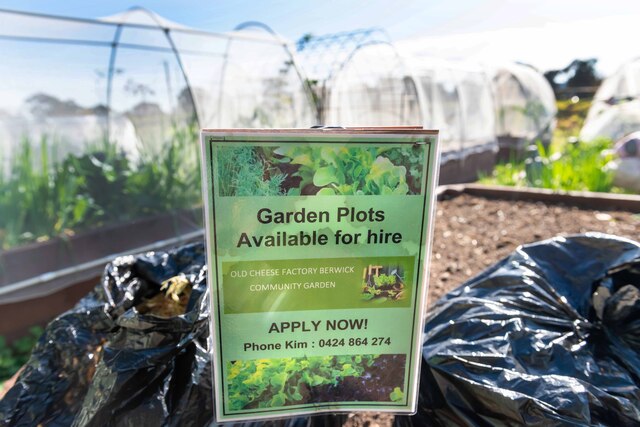
If you would like to rent a plot or inspect the gardens, please contact Kim Gillam via cgocf1@gmail.com