Ambulance Victoria is urging people to take extra care in and around water this long weekend, as a spate of tragic drownings continue to impact communities across the state.
Life Saving Victoria reported 52 people fatally drowned in Victorian waterways in 2024-25, a nine per cent increase on the decade average. A further 123 people experienced a non‑fatal drowning.
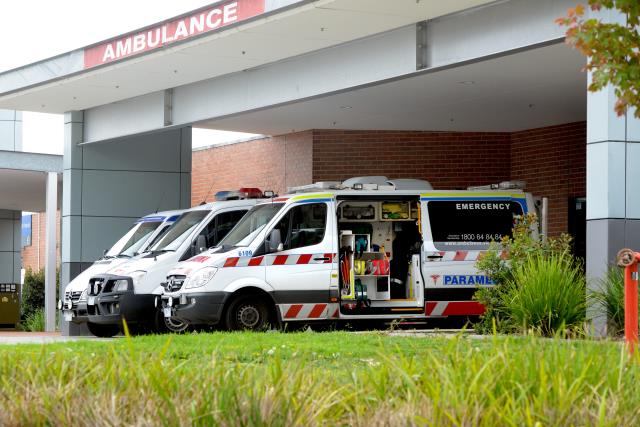
Ambulance Victoria Acting Executive Director Regional Operations Michael Georgiou said paramedics witness firsthand how quickly a fun day out can turn into a life-threatening emergency.
“Everyone is at risk of drowning – even strong swimmers and people who know an area well,” Mr Georgiou said.
“Be aware of your current abilities and don’t underestimate the risks around water. Conditions can change rapidly, and different parts of the same waterway can behave very differently.
“We work closely with our emergency service partners to keep people safe, but everyone has a responsibility to look after themselves and each other.”
Mr Georgiou said taking simple precautions can significantly reduce the risk of serious injury or tragedy.
“Always watch children closely when they are in or around water. Ensure under 5s are always within your arm’s reach and children aged 5 – 10 are always in your line of sight,” Mr Georgiou said.
“We also recommend wearing lifejackets when boating and fishing and avoiding alcohol until after you’ve finished being around the water to ensure you remain vigilant.”
Life Saving Victoria Chief Operations Officer – Emergency Management Capability and Response Kirsty Robertson said no one wants a day by the water to turn to tragedy.
“One drowning is one too many, and we need everyone to do what they can to keep themselves and each other safe. Water safety is everyone’s responsibility,” Ms Robertson said.
Mr Georgiou added that Ambulance Victoria has recently responded to a number of cases involving risky behaviour near cliffs and rocky coastal areas.
“This summer, we’ve seen a number of people seriously injured after falling or jumping from cliffs – often in very difficult terrain with limited access,” he said.
“These rescues can take hours and involve multiple emergency services. Cliff jumping and leaving a designated path and getting too close to cliff edges can have devastating consequences and should be avoided.
“Most importantly, if you are planning to spend time around waterways people can prepare themselves by knowing how to get help in remote areas and learning CPR.
“If you see someone in trouble in the water, call Triple Zero (000),” he said.
How to stay safe around waterways:
– Read the signs around waterways to familiarise yourself with the dangers, which differ at each body of water and even at different sections of the same river or lake.
– Learn how to swim and know your limits.
– Never swim alone and let people know where you’re going.
– Be alert around waterways. Whether you’re planning to enter the water or not, this includes keeping watch on children while they’re in and around water.
– Whether in a boat, taking part in water sports or swimming, people should wear a correctly-fitted lifejacket.
Other helpful water safety resources:
– The Beachsafe app or beachsafe.org.au is a great resource for the latest information on patrolled beaches, weather conditions and currents, and water safety videos – all available in multiple languages.
– Royal Life Saving Society Australia also offers multilingual inland water safety resources.
– Check the current weather conditions by using the VicEmergency or BoM weather apps before you go out on the water. If in doubt, don’t go out.