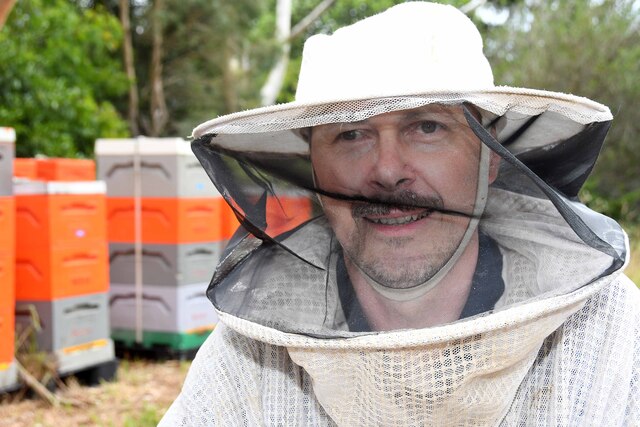



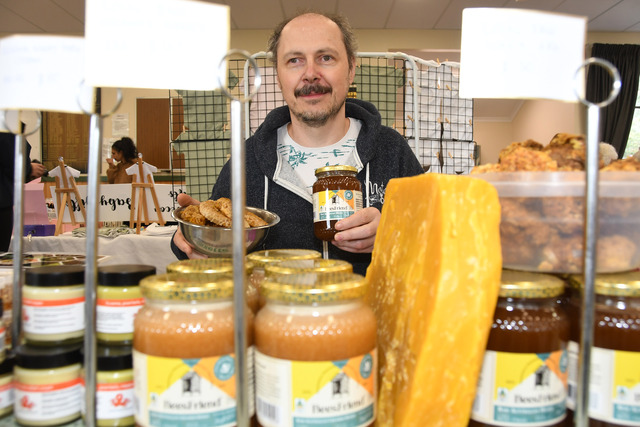



For Lazlo Kun, the greatest frustration is when people fail to understand the real value of bees and why urgent action is needed.
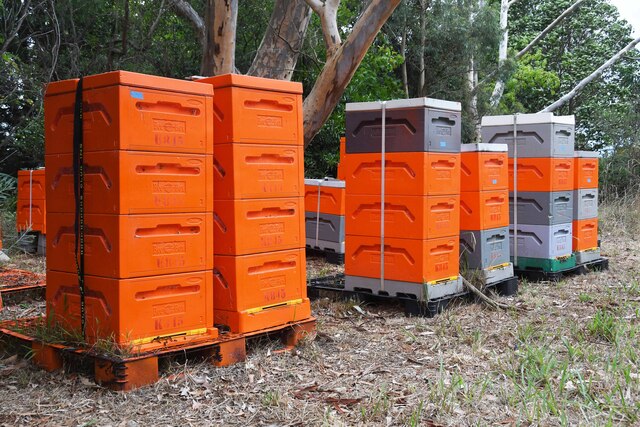
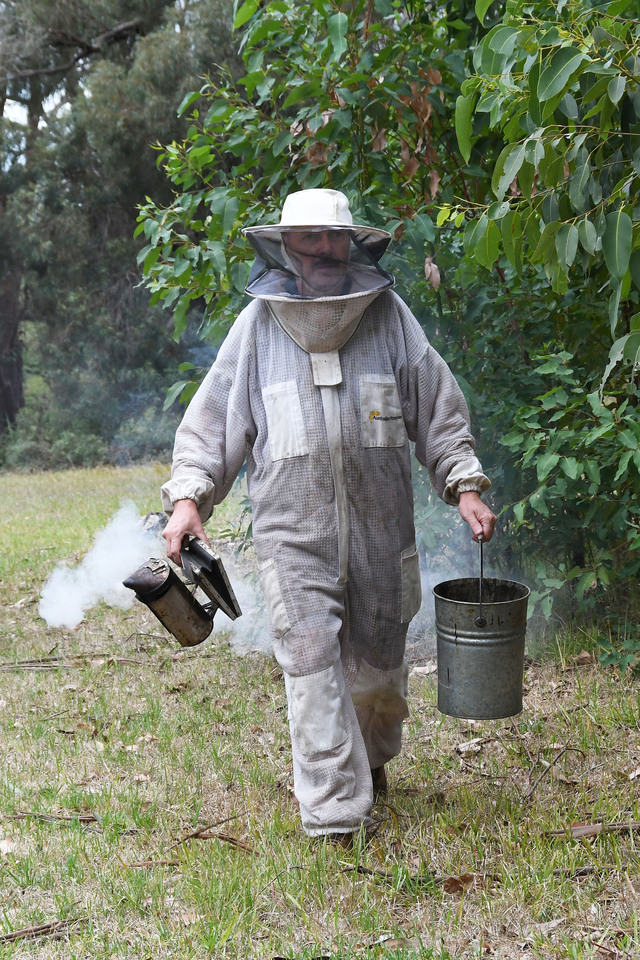
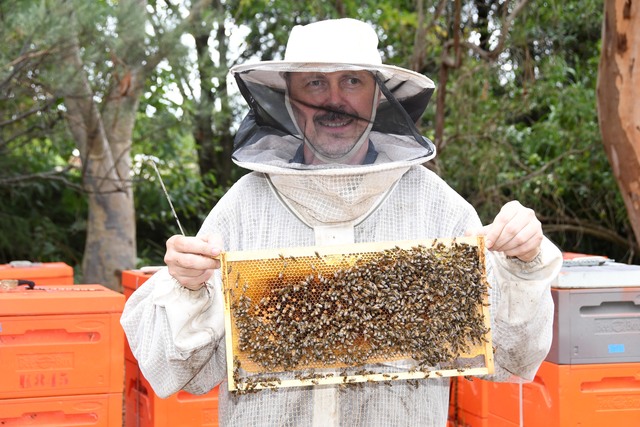
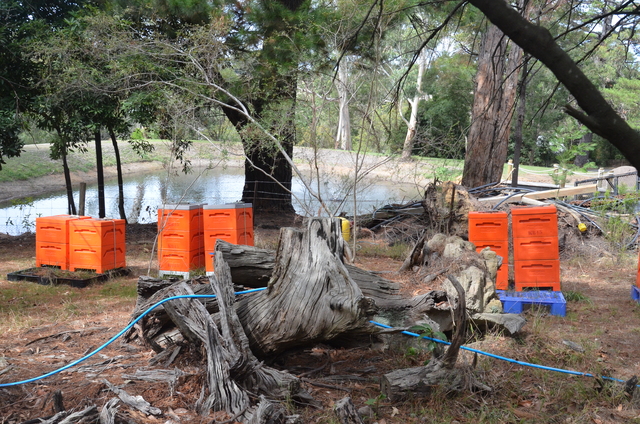
Gazette journalist Afraa Kori visits his sites in Berwick, Beaconsfield, and Narre Warren North to witness firsthand how he’s saving the world through his work with bees and to see the real-life impact of his efforts.
“We need to focus on how we can have less chemicals in our environment, and having a diversity of different plants, and fruits on the farms.“
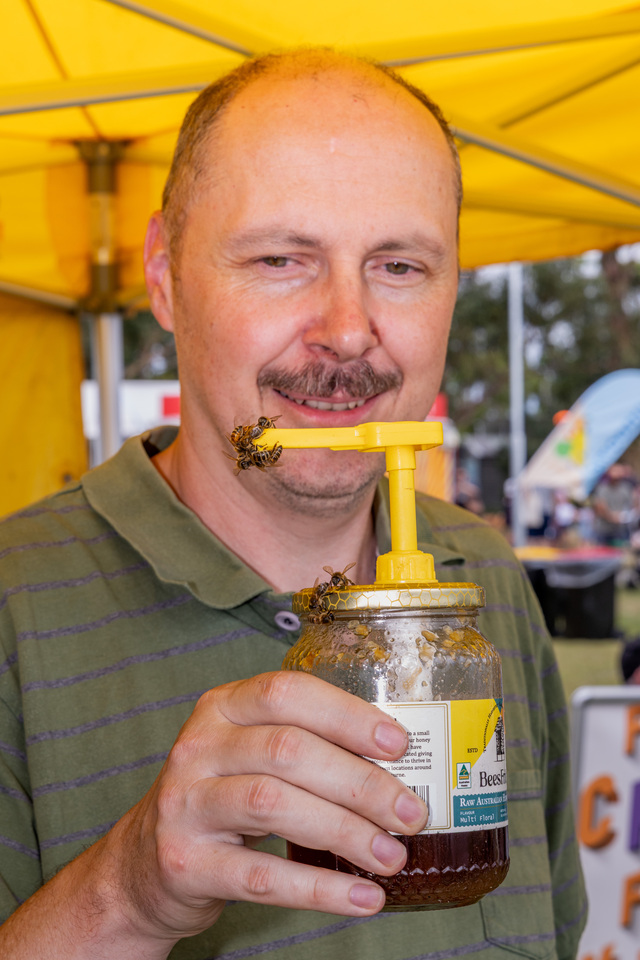
Lazlo from Berwick recently took home first place for his honey at the Berwick and District Agricultural and Horticultural Society.
He also earned second place for his cream honey at the Pakenham Agricultural and Horticultural Society Inc.
To top it off, he won two awards at the Red Hill Agricultural & Horticultural Society. In the apiary section, Lazlo secured first place for his naturally granulated honey and third place for light beeswax.
While the spotlight is on him, Lazlo humbly shifts the focus to where it truly belongs—advocating for bees.
“Imagine a world without the food we rely on everyday,” he said.
Fruits, vegetables, and countless other crops would be at risk—gone or severely diminished. The reason? Bees, the tiny yet mighty pollinators that play an essential role in our food supply. But bees are facing a growing crisis, and their survival is directly tied to our own. Without them, food security as we know it is in jeopardy.
Lazlo said this isn’t just about saving the bees, it’s about protecting our future, supporting our farmers, and ensuring that the food on our tables continues to thrive.
One issue concerning beekeepers across the country is the spread of the varroa mite, an invasive parasite deadly to bees.
This invasive pest has devastated bee populations globally, and now that it’s in Australia, Lazlo urges everyone to act fast to prevent major agricultural losses.
“Varroa, that is the number one killer in the world of the honeybees. You are not solving anything with harsh chemicals,” he said.
“The problem is the wing, it is going to deform as they can’t fly anymore, the bees. And the whole colony is collapsing.“
“Some treatments also taint the honey. So honey, it will have a different taste and you can’t do anything with it. I’m advocating for treatments that won’t disrupt the bees’ natural processes.“
“Commercial pollinators are taking bees to a monoculture for two weeks, and they are pollinating the crop there. But the problem is that their environment is full of chemicals, and those bees have diseases. Once they mingle with your bees they can transmit the bee diseases to your hive too.“
The overuse of insecticides, especially neonicotinoids, is also harming both the environment, human health and bees.
“If somebody is spraying in their backyard, or in the parks, it affects everyone. There is research showing that many neonicotinoids are causing cancer.”
Lazlo added that the traditional farming practices, like monoculture, is putting stress on bee populations, making them more vulnerable to diseases and pests.
“The biggest problem is monoculture. We are not providing for those bees’ secondary food sources.
“Monoculture means bees are exposed to pollinating just one crop and relying on a single food source, and that’s not fair to the bees.”
Monoculture creates vulnerability because planting a single crop means that if a disease spreads, it can wipe out all the crops within a large radius. Bees also don’t have anything to fall back on, as they’re left with only one type of nectar for a short period. This lack of diversity impacts both their health and the broader ecosystem.
He advocates for a shift towards permaculture, which mimics nature by incorporating diverse crops.
“Bees need a variety of amino acids, fatty acids, and different nectar sources whenever possible,” Lazlo said.
“Bees need a balanced diet, just like everyone else. If you only eat grapes for every meal—you’re going to get sick of it and your body would not get all the nutrition.
“You have to have a multitude of different things, as it was in nature, to be able to support nature around you.
“When you planting beneficial plants alongside your main crops, you can reduce the need for chemicals and improve your business’s sustainability.“
Lazlo also stressed the importance of crop rotation for soil health, warning that growing the same crop repeatedly depletes nutrients and turns soil lifeless.
“If you are growing the same things, the soil… it will become not life anymore, it will be like sand, no life in it.”
Finally, Lazlo hopes for a future where farming and nature work in harmony, creating an environment that supports both pollinators and food production
“We need to focus on how we can have less chemicals in our environment, and having a diversity of different plants, and fruits on the farms.“
“Australia needs better strategies for managing Varroa mites and supporting bees without over-reliance on harmful chemicals.”