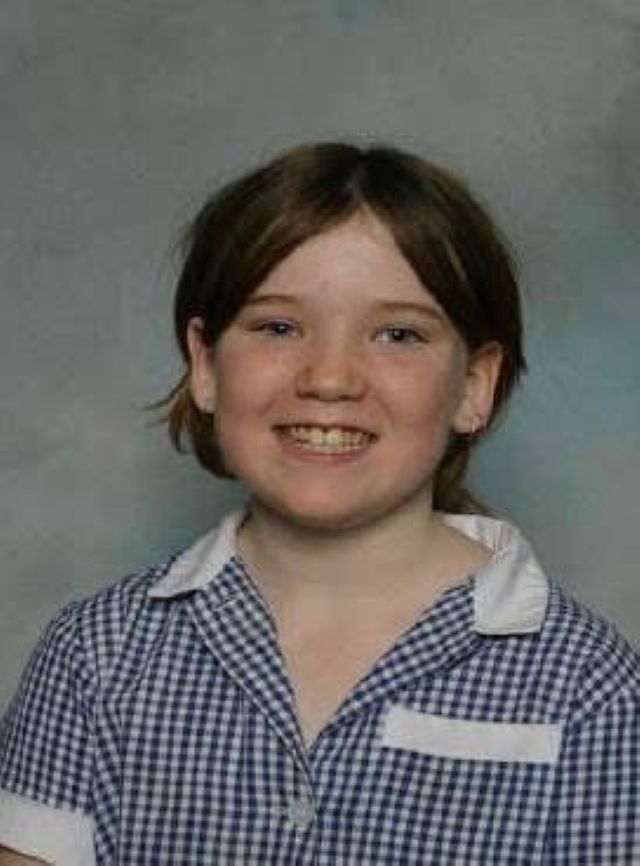
When nine years old, Julz Nichols learnt all too well what it’s like to lose her home at a moment’s notice.
She remembers the freshly mowed lawn her and brother sat on waiting for their grandmother to come pick them up. She even remembers the bright pink of her mum’s hand made jumper, with her cat, Bow, hiding underneath it.
At the time though, Julz didn’t realise the world she once knew had shifted.
It was the same moment that her and her family’s homelessness journey began along with the lasting impact it had on her mental health.
But Julz’s story is becoming increasingly prevalent and Victoria’s housing services are struggling to keep up.
Shari McPhail who works on the frontline of this crisis at Wayss says in her 20 years of experience, she has never seen it this difficult to achieve housing outcomes for people.
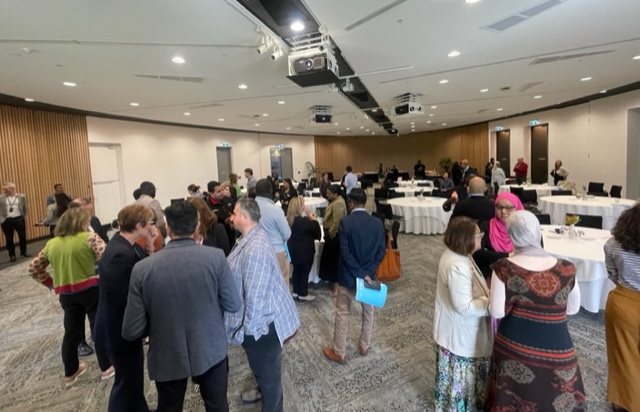
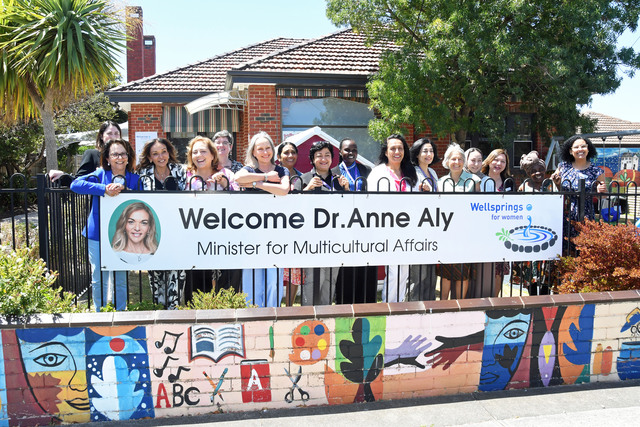
At a recent forum aimed at bringing attention to the rising number of homeless women in Casey, McPhail emphasised the fraying safety net and the devastating consequences this has had for women in vulnerable positions.
When women look for safety, “they often flee into homelessness and when they do, the trauma doesn’t stop, it multiplies,” she said.
For Julz’ family, it took nearly two years until they had access to stable housing.
From a dingy motel right opposite the Chadstone Shopping Centre where for only two weeks she indulged in classic Australian TV after school like Water Rats.
To a small Seaford Airbnb where the now youth worker vividly remembers the bunk beds she shared with her brother, and the tiny microwave that marked her now aversion to spaghetti – an affordable and accessible food staple for many struggling with homelessness.
They were then moved to another seaside unit in Chelsea for 12 months, where Julz says she has fond memories of playing on the beach and building sand castles. But while she tenderly looks back on her time as a child, she stresses her mum’s parallel emotions stemmed in instability and the void of the unknown.
“My mum would have found it way worse, because I didn’t know it at the time but it’s not like she was told ‘you have 12 months here’,” Julz said.
“It was week to week, and she didn’t know if it was going to be extended or not.”
Despite the vivid mental images of her time at different accommodations, Julz says her mum maintained a sense of normalcy for her and her brother.
During school hours, Julz’ mum would go to different housing organisations and access points to insist on some sort of assistance for her and her two children.
“She would sit there day in and day out and would not leave until she got some kind of support,” Julz said.
Redefining homelessness
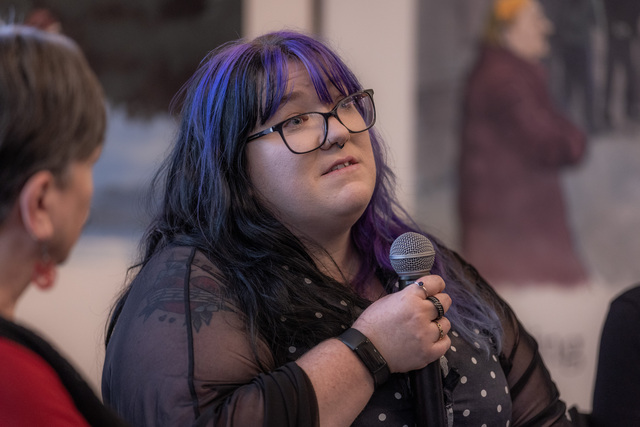
Now, Julz has been working on the frontline of the housing crisis for years in the inner south east and continues to help people struggling to access services.
She says that the definition of what it means to be homeless needs to change in order to address systemic causes.
Homelessness does not only encompass the traditional picture of individuals sleeping on the streets, she says.
But also includes individuals who are forced to sleep in their cars or couch surf for an extended period of time with no accommodation plans in place.
McPhail also says that there are working people and families “doing everything right” yet still falling through the cracks of homelessness.
“Over the past decade, we’ve seen a 46 per cent increase in working people entering our services for help with housing,” she said.
Julz calls for greater governmental enforcement of solutions that aims funding for rent in advance and rent arrears capacities that helps people access accommodation options.
A solution that McPhail also championed during the Panel.
“A decade ago 80 per cent of the Housing Establishment Fund helped people stay housed through rent arrears and rent in advance,” she said.
“But today 80 per cent goes to crisis accommodation. That’s not a solution, that’s a band-aid. And it’s a road to nowhere.”
Julz also says there’s a greater need for transparency and accountability from landlords and property managers, ensuring renters are protected from dangerous housing conditions like mould or infrastructure damage.
“At the moment, some of the properties are so unsafe, but people have no choice and they’re stuck living there and that’s going to have a lifelong impact on them,” she said.
Lasting impact
Despite her mum’s efforts in sheltering her children from the adversities of their living conditions, Julz says that looking back, she had to grow up much faster than her peers which brought along insecurity.
“We had to grow up from quite a young age, at times we’d have to cook for ourselves and figure out how to be an adult before we reached an adult age,”
Julz says the lasting impacts of homelessness runs deep, from small ripples like not being able to tolerate spaghetti anymore to bigger entrenched psychological effects like the constant dread of financial instability that may lead her back into the system.
In 2016 at the height of her first year of her science degree to become a vet, which was then her aspiration, Julz’ grandmother was diagnosed with cancer and her mum had just undergone back surgery.
Julz says the responsibility of having to take care of everyone along with the pressure from her studies triggered a period of catatonic depression; it was so bad that she lost the ability to communicate.
“I had taken Nan down to Dandenong for her appointment,” she said.
“Nan asked me something and I started to stutter, and did not matter how much I tried to talk, I just kept stuttering,”
“And then I had a full breakdown.”
It took her several months to recover and with the help of her mum she learnt to speak again.
But Julz looks back on it as a turning point.
It was the very experience that led to the decision to become a youth worker inspired by her mum who prompted her to consider a career in youth work.
“It’s one of those things I don’t regret, because I can understand people with that lived experience of mental health.”