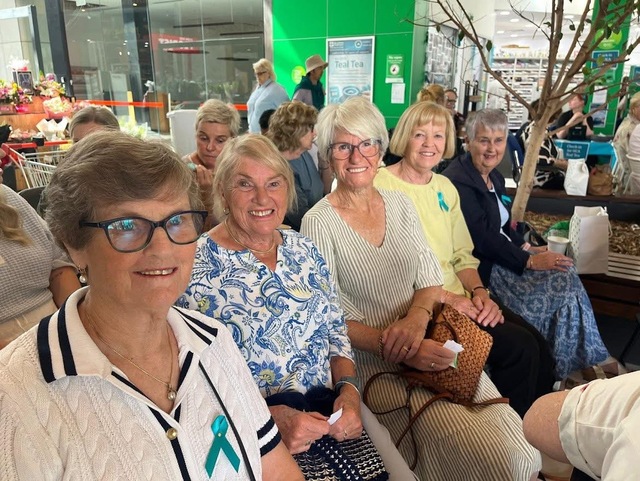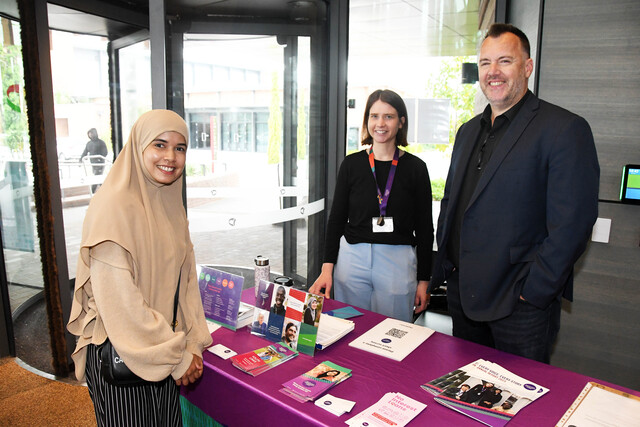
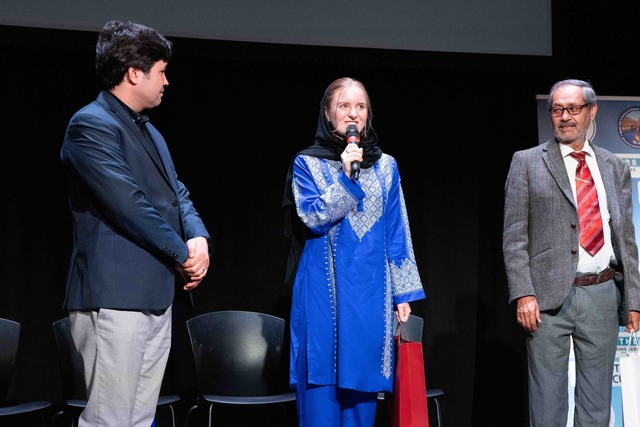
The Hazara Genocide Memorial event was organised by the Hazara Cultural Association, whose members controversially proposed to rename Afghan Bazaar precinct in Thomas Street, Dandenong as Little Bamiyan.
HCA president Barat Batoor says it’s crucial for the wider community to learn of the history of the Hazara genocide and ongoing severe persecution in Afghanistan.
The group claim the term ‘Afghan’ translates to Pashtuns and symbolises the oppression to the Hazara community.
This caused a strong backlash from the wider Afghan community, who defended the Afghan Bazaar marketing name as an inclusive term.
In their collective letter to the council, they called the HCA proposal “divisive,” “self-serving” and “dangerous”.
It argues the term ‘Afghan’ is a nationality not an ethnic identity, as claimed by the Hazara petitioners.
Mr Batoor says the Hazara community in Australia has felt underrepresented for many years.
“But since the launch of the Little Bamiyan campaign, there has been a renewed sense of hope and visibility,” Mr Batoor says.
“The history of Afghanistan is often misrepresented or misunderstood, and without context. Even well-meaning actions can unintentionally cause harm.
“For example, the broad use of the term “Afghan” can be distressing for many in our community, as it erases their specific Hazara identity and lived experiences.”
Batoor says the organisation’s vision is for a future where Hazaras “can live without fear of persecution or discrimination—whether in Afghanistan or elsewhere in the world.”
New South Wales social worker and researcher Grace Sultani says unity cannot be sought without acknowledgment of the Hazara genocide.
“I often hear of calls from other communities of Afghanistan for there to be unity, for Hazaras to not divide themselves from others by calling themselves Hazaras, but instead to identify through a term that carries historical and intergenerational trauma.
“The problem with this is that unity cannot be built on the silencing or denial of persecution.
“It can be built on justice, on truth, and on recognition of the persecution as Hazara people have experienced and how they continue to suffer today.”
She attended the memorial event in Dandenong, sharing some of her PhD research into the post-traumatic growth (PTG) among Hazara refugees at the University of Newcastle.
Seeking participants for her research, her social media posts were flooded with Hazara genocide deniers, creating what she calls a “secondary wound” – the first being the genocide and the latter the ongoing denial of it.
She only hopes that the remarks come from a place of lack of education.
“The evidence of the Hazara genocide is just overwhelming and when you know that, you can’t deny it.
“Despite the numerous systematic attacks of ethnic and cultural erasure, Hazara people are here today and are thriving.
“Then once that education is sought out, hopefully they can better understand the historical and intergenerational trauma that that term carries for the Hazara community.”
Her research found those levels of PTG were higher among Hazara refugees than any other population ever recorded in any literature.
In her interviews of the participants involved in the research, she identified historically located aspirations, meaning their goals and future motivations weren’t limited by individual capacity but more on a community level.
“PTG is important because it acknowledges that suffering and growth can co-exist,” Ms Sultani says.
“From what I’d seen and heard firsthand, this concept felt essential to better understanding Hazara experiences in Australia.
“That’s why I felt it was so important to explore it—both to fill an important research gap, and to help tell a more complete and empowering story.”
Whilst Afghanistan suffers under Taliban rulers carrying out human rights violations against girls and women, the concerns and fears for the long-persecuted Hazara people are much greater.
This has been advocated by former Hazara refugees Sitarah Mohammadi and Sajjad Askary, who are lawyers and co-founders of the Australian Hazara Legal Network in the south east.
They were quick to act after the Taliban took control of the country in August 2021, expressing grave concerns for Afghans and the Hazara minority.
Their opinion piece to Al Jazeera stated the Hazara people were at “risk of ethnic cleansing and even genocide” and urged human rights organisations internationally to take action.
“All Afghans face precarious and dangerous circumstances in their country, but the situation is particularly desperate for the Hazaras, who have been historically marginalised, dispossessed and massacred.”
The organisation is said to remain dedicated to celebrating Hazaragi culture, language, traditions, and identity, while advocating for the safety and rights of Hazaras globally.
In September, Greens senator Steph Hodgins-May raised a recent incident in Federal Parliament where 25 Hazara families were forcibly evicted from their ancestral homes by Pashtun nomads, with the support of the Taliban.