
Residents are still seeking answers over an advanced-waste plan that’s extending the life of waste facilities near Hampton Park homes, says Casey Residents and Ratepayers Association (CRRA).
About 500,000 tonnes of waste a year would be handled at a proposed transfer station at the Hallam Road landfill site then bulk-delivered to a waste-to-energy (WTE) incinerator in Maryvale, as part of a South Eastern Melbourne Advanced Waste Processing agreement.
Nine SEMAWP councils, including Casey, have locked into a 25-year ‘minimum-tonnage’ supply agreement, diverting 95 per cent of household rubbish from landfill to the WTE plant.
The plan has caused an outcry from nearby residents, who were looking forward to the impending closure of Hallam Road landfill in mid-2027 to 2028.
For years, they have raised concerns about landfill gas emissions from the site.
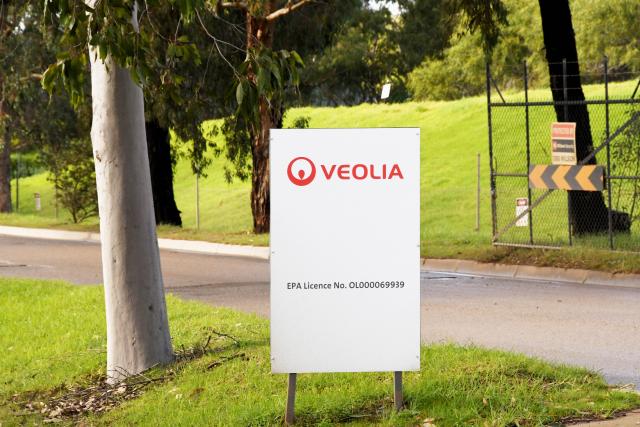
The landfill’s operator Veolia – also proposing the waste transfer station and part of the Maryvale WTE consortium – recently agreed to pay $1 million in a settlement with Environment Protection Authority Victoria for odour emission breaches at Hampton Park.
At a 17 February council meeting, Casey city planning and infrastructure director Kathryn Seirlis was asked about community consultation on the proposed waste transfer station and the WTE deal.
She said Casey and other SEMAWP councils had “clearly and transparently” communicated their intention to pursue advanced waste for several years.
The SEMAWP project also “strongly aligns” with community surveys and research, showing support for less reliance on landfill, she stated.
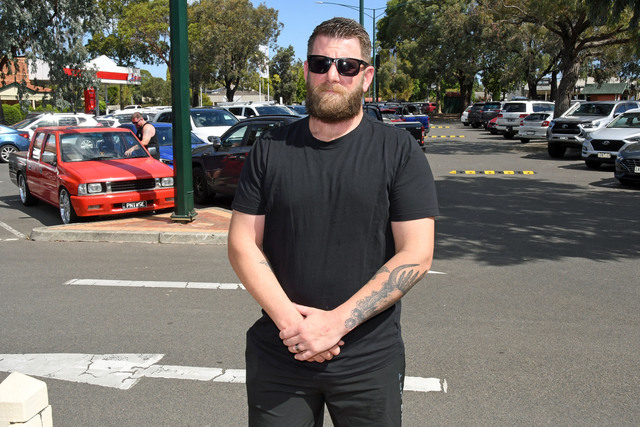
CRRA president Anthony Tassone said the community didn’t get a direct answer.
“The main concern is that Casey has entered into an advanced waste processing procurement agreement that has led to its approval of a waste transfer station in close proximity to residential homes without any genuine community consultation.
“A few historic surveys to move from landfill to alternative solutions” were not the same as residents giving the OK for the waste transfer station “near the backyards of people’s homes”, Tassone said.
“It’s disingenuous to dress up historic failings – as in the lack of consultation – to say the community was OK with it.”
The proposed transfer station’s future is subject to a VCAT appeal launched by proponent Veolia.
After being approved by Casey administrators in 2024, it was rejected by the Environment Protection Authority due to “unacceptable” risks to human health due to noise and odour emissions and the proximity of neighbouring homes.
Ms Seirlis stated that Casey’s issuing of a permit for Veolia’s waste transfer station was a “separate matter” and “not influenced” by the signing of the SEMAWP agreement.
Veolia had been shortlisted during the SEMAWP procurement prior to owning the proposed waste-transfer site, Ms Seirlis said.
She also said financial and contractual risk assessments had been done on the SEMAWP deal, but remained confidential due to “strict probity requirements”.
“Risk is considerably reduced as the Maryvale energy-from-waste facility has already achieved social licence to operate.”