City of Casey has backed calls for urgent national packaging reform, warning that plastic packaging made up a significant share of what local residents were putting in their bins.
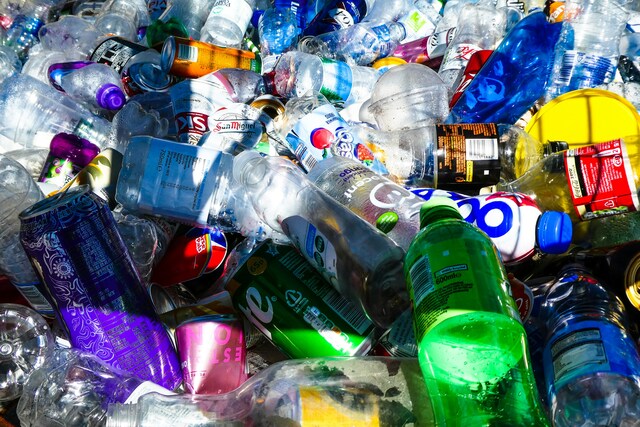
The push followed the release of a new national report, Securing Australia’s Plastic Recycling Future, which found Australia uses more than 1.3 million tonnes of plastic packaging each year, with more than one million tonnes ending up in landfill or as litter.
The report argues Australia’s recycling system is struggling not because of a lack of infrastructure, but because recycled plastic is often more expensive than imported virgin material. Manufacturers have little incentive to buy recycled material, leaving recycling facilities underused and financially vulnerable.
ALGA president Mayor Matt Burnett said in a media release that although recyclers can process plastics, low demand for recycled material threatens facility closures, leading to more waste, increased imports, and job losses.
To address this, the peak body has called for a mandatory national product stewardship scheme that would require packaging producers to take responsibility for the disposal and recycling of the packaging they put on the market, rather than those costs being absorbed by councils and households.
Mr Burnett pointed out that councils were “overwhelmed by rising volumes of packaging and plastics”, with landfill capacity nearing its limits.
“Investments in domestic recycling were made in anticipation of a mandatory national scheme, a promise yet to be fulfilled. Regulatory uncertainty now threatens the entire system, with some recyclers considering withdrawal from services, which could increase landfill and restart stockpiling,” he said.
“Councils and ratepayers already carry a significant cost burden. They can’t afford to bear the additional cost of doing nothing.”
Mr Watt pointed out that environmental costs from plastic waste are projected to exceed $5 billion by 2050, and councils will be left to shoulder the burden.
The proposed reform features a mandatory national Extended Producer Responsibility (EPR) scheme for packaging, which would require companies that place plastic packaging on the market to fund its collection, recycling and end-of-life management.
Under the model outlined in the report, fees would be linked to the amount and type of packaging used, with lower costs for packaging that is recyclable or contains recycled content.
Revenue raised would be ring-fenced to support recycling, waste collection and domestic markets for recycled plastics, addressing what the report describes as a market failure that currently leaves councils and households paying for packaging waste through rates and waste charges.
In Casey, waste costs have continued to rise in recent years, with households paying a flat waste charge through their annual rates to cover kerbside collection, recycling, green waste and landfill disposal.
In the 2025-26 Casey Council Budget, the waste service charge has seen an increase of 12 per cent, a “significant” jump from the previous year’s 5.5 per cent.
One of the contributing factors is that the State Government Landfill Levy will increase from $132.8 to $167.9 next financial year, which affects Domestic and Hard Waste costs.
City of Casey Mayor Cr Stefan Koomen said plastic packaging contributes a significant proportion of the material that is disposed of by residents, with the last audit of the municipality’s recycling bins showing around 30 per cent of material was plastic.
“The City of Casy welcomes initiatives to reduce the amount of plastic waste being generated and supports the call for reforms in plastic packaging, including mandatory Extended Producer Responsibility,” he said.
“We know this can work, as demonstrated through the Container Deposit Scheme for bottles and cans.
“Across Australia, it is estimated that less than 13 per cent of plastic is recycled. To truly move to a circular economy, we must implement solutions that consider design, production and reuse.
“Making companies responsible for the cost of disposal or recovery of their products and packaging would encourage more transparent practices and innovations to help reduce waste in the first place.”
Federal Environment Minister Murray Watt said the Albanese Government was progressing work on packaging reform as part of its broader circular economy agenda.
“Reducing and responsibly managing Australia’s plastic waste, including mandating better design and the uptake of recycled content, is a key part of our circular economy commitment,” he said.
He pointed to more than $200 million invested through the Recycling Modernisation Fund, which he said had increased national recycling capacity by more than 1.4 million tonnes a year.
“We want to see all businesses take responsibility for the environmental impacts of their packaging as we transition to a circular economy,” Mr Watt said.
“Taking action now to increase the recyclability of packaging, reducing unnecessary and problematic packaging, and using recycled content will ensure businesses are well-placed for any future regulations.”
The State Government also reiterated its support for national action, saying it continued to advocate for packaging reform while investing $65.9 million across more than 100 plastic recycling projects statewide.
“We are making sure major infrastructure projects across the state use recycled material, including plastics, from noise reduction walls along the Mordialloc Freeway to the new Elephant enclosure at Werribee Zoo, to create a circular economy,” a spokesperson said.