From the farmlands to deep in the bush, one of the most frequent animals that you could run into is not a native, but introduced species of deer.
Despite their pleasant appearance and docile nature, they have a complicated existence that impacts farmers and local wildlife.
Over the last several years, efforts have ramped up by government agencies and landcare groups to limit their spread, which can stretch from Bunyip State Park to Western Port Bay.
“Deer damage native trees and plants in Bunyip State Park by grazing, rubbing their antlers on trees, trampling undergrowth, destroying plants, and wallowing. They also spread invasive weeds like blackberry.”
There are an estimated 2 million deer throughout Australia and half of that number is believed to reside in Eastern Victoria alone. Though without a comprehensive survey, the number could be much higher for both.
In Cardinia, the north has the highest concentration, particularly throughout Bunyip State Park.
If you ask a farmer in Emerald or Upper Beaconsfield about these hoofed herbivores, you will likely get a resigned sigh at their obvious presence.
In 2019, Parks Victoria initiated a dedicated deer control program through Bunyip State Park.
The program has seen both ground and aerial shooting to limit numbers throughout the park.
Recently, there have been promising signs of new vegetation growing free from deer interference.
However, Parks Victoria Melbourne Region Deer Control Program Coordinator Rhyl Shaw said there is a long way to go.
“We’ve controlled deer in Bunyip over the last six years to protect threatened plants, help restore native species and reduce the impact deer can have on the community, including landowners. We have seen some positive results thanks to reduced browsing, but it is an ongoing challenge,” Ms Shaw said.
“Many local landowners manage deer on their property and that helps protect their own land and businesses as well as the State Park. We can all work together to keep deer numbers down and protect our landscape and livelihood.”
The program came after the bushfires, with the need for native vegetation to bounce back a priority.
Parks Victoria has collaborated with wider efforts as well, including Western Port Catchment Landcare Network’s awareness program.
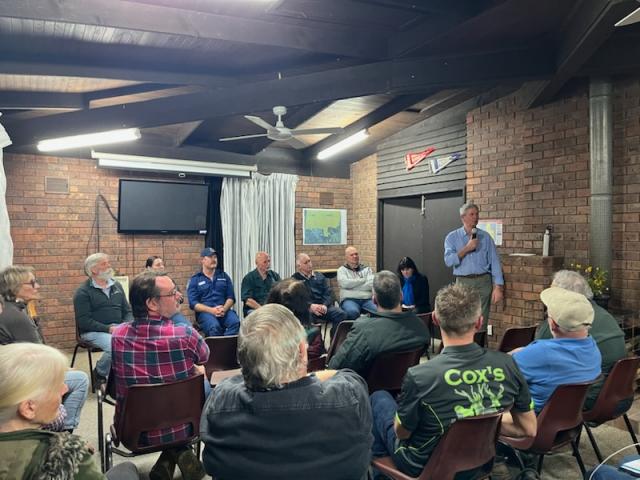
Over the last few years, Landcare has been letterboxing and running meetings to raise awareness about the local impact of deer.
This brings together the major agencies and community groups with local landowners to provide more coordination in deer control across public and private properties.
A key focus has been the work of the Cannibal Creek Catchment Biodiversity Project Group over the last decade to protect the area and monitor for any deer activity.
Melbourne Water also joins these efforts as they control deer at Cardinia Reservoir.
The Pest Management team of Labertouche Landcare and Sustainable Agricultural Landcare Group has been active in this space as well, providing control measures direct to participating private landowners.
There is already a lot of work to limit this animal that is wary and shy.
Cervidae are certainly different than the introduced species of canine and feline; feral cats or foxes are destructive predators through the use of their mouths to eat native animals and spread disease, and their status as pests reflects that.
Deer have no interest in consuming animals, but their impact on the environment is through their grazing, their hoofs and sheer mass.
“Deer damage native trees and plants in Bunyip State Park by grazing, rubbing their antlers on trees, trampling undergrowth, destroying plants, and wallowing. They also spread invasive weeds like blackberry,” Ms Shaw explained.
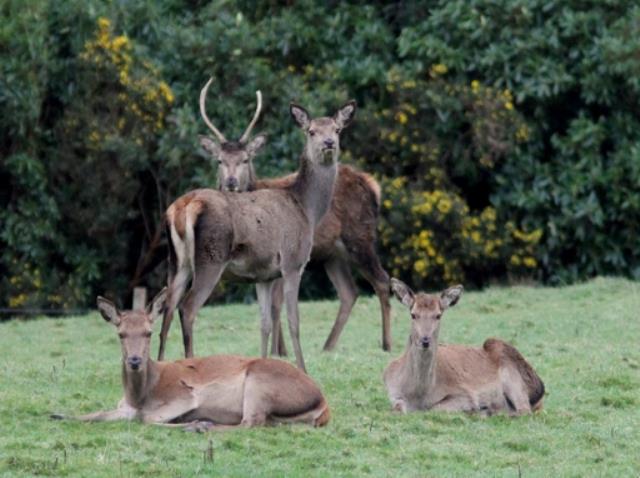
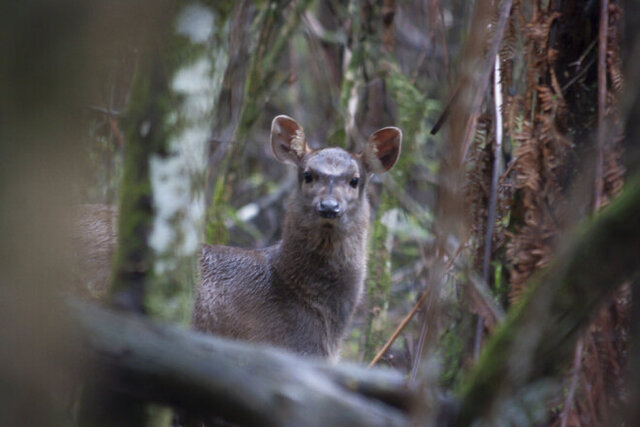
There are four introduced species in Victoria: sambar, red, fallow and hog deer. The most commonly found locally are the sambar and fallow.
Sambar are a species native to Southern Asia; they are more solitary but very large. A buck can grow up to two metres in length and weigh as much as 300kg.
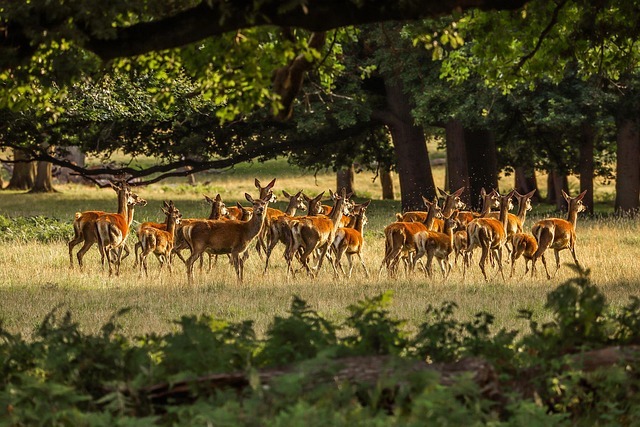
Fallow deer are European, smaller in size and look the most familiar to the image of deer in wider culture.
They run in packs, which amplifies their treading through the bush. Wide, trampled tracks are a common sight after they pass through an area.
The Cardinia Deer Management Coalition (CDMC) Incorporated is another group that has been pivotal in this space.
They provide control measures for any willing landowner, including voluntary shooting.
Their work continues to be focused on raising awareness, and they have targeted hot spot areas with letterboxing to get more locals aware of the impact of deer.
Over the years, they have seen improvements, with more people aware of the impact of deer.
“It’s about educating people that they can actually do something,” CRMC member Des Lavery said.
“Just from talking to people, people seem to be more aware that deer are around.”
An interested landowner can simply ask for the coalition to inspect their property, just to see how deer may be impacting their land.
With permission, the coalition can conduct their own measures on properties and after numbers have been controlled, can monitor the level of deer periodically after that.
It’s a long road ahead, but there have been some victories along the way.
A significant reason for CDMC’s formation was the protection of habitat for the endangered helmeted honeyeater.
It was just this year that a small colony of Victoria’s official bird emblem was released into Cardinia Shire, marking their first appearance locally since Ash Wednesday.
The control of deer populations in the northern part of the shire has helped these conservation efforts.
The impact of deer is much wider than local biodiversity.
For agriculture, deer can consume pastures and crops, foul water supply, spread livestock diseases and damage infrastructure.
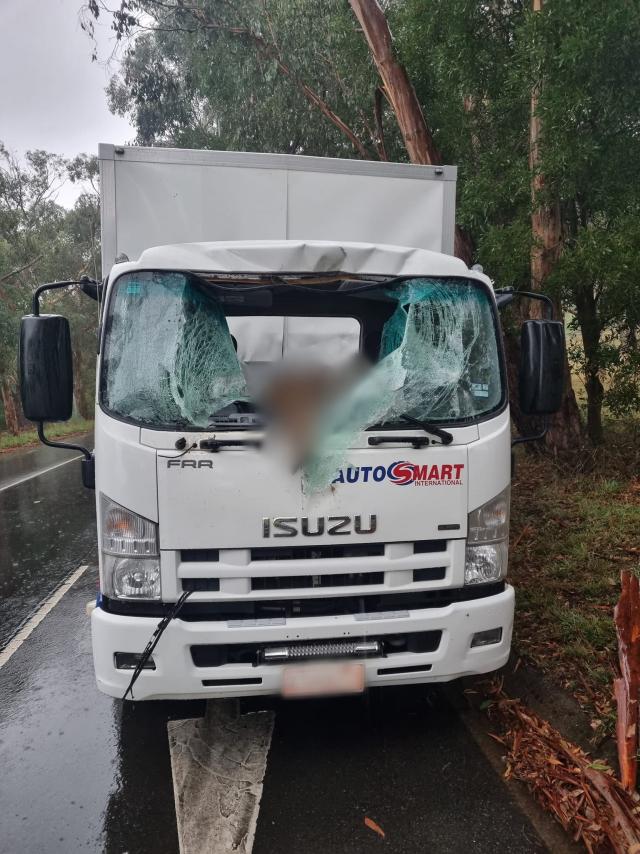
An increasing population poses more risk on the road. In 2023, a truck driver had a near miss when a deer went through his windscreen while driving through Launching Place.
A car striking a deer in the same year ended in a five-car collision on Wellington Road with two people hospitalised.
Last year, one person was sent to hospital after colliding with a deer in Mount Burnett.
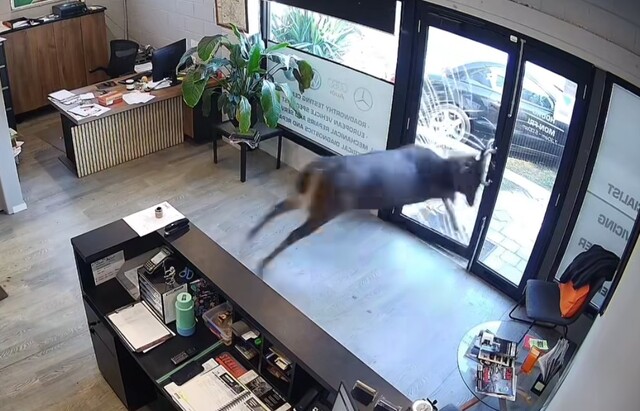
Human contact can increase as well. In May this year, a deer ran through Beaconsfield Autotech in the middle of town.
A report commissioned by the Invasive Species Council estimated that deer could cost $1.5 to $2.2 billion over the next thirty years in environmental, agricultural and recreational damage and management.
Victoria and Tasmania are the only states in Australia that have not declared deer a pest animal.
They are still named in the protected species list, largely due to their continued existence as a game animal in recreational hunting.
A contested issue, it was only in the last few years that the state government allowed landowners to cull local deer population, but it can only be done on their own property and with licensed controllers.
You can contact the CDMC at info@cardiniadeer.org.au
You can find out more on controlling deer on private property at: gma.vic.gov.au/hunting/deer/where-to-hunt/fact-sheets/controlling-problem-deer-on-private-property