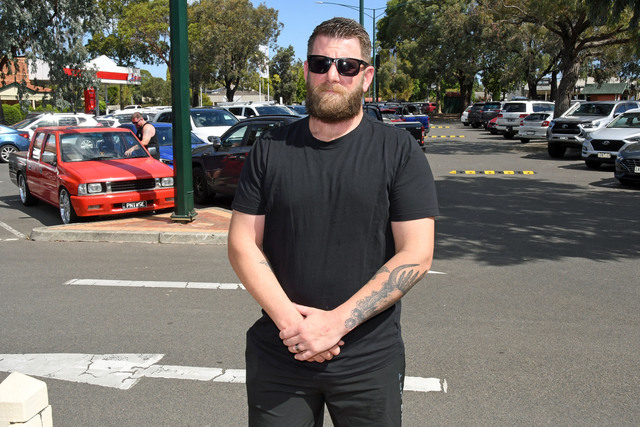
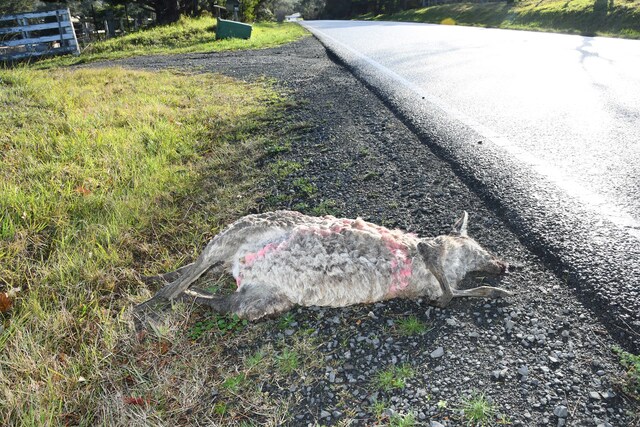
The business of Pakenham’s Robert Portbury is centred around building roads, but the kangaroo killing field of Pakenham Road has become so severe that his work has become increasingly concerned about road victims.
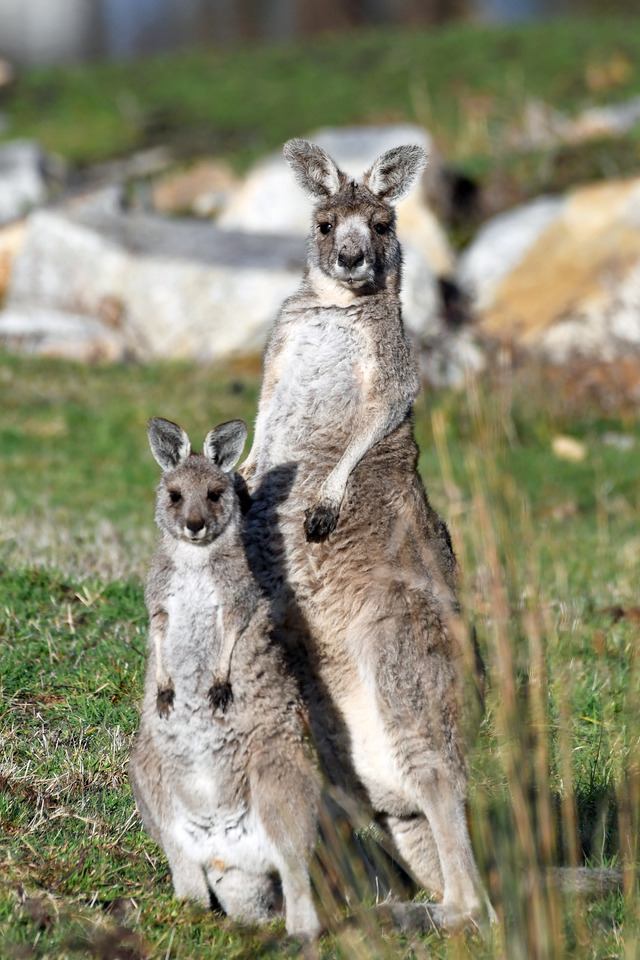
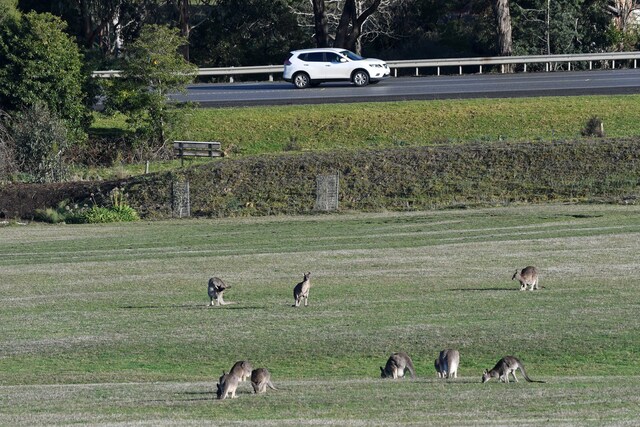
Hundreds of kangaroos have made his property a sanctuary as residential developments continually encroach, Robert is fed up with the daily killings and is calling for something to be done.
“They’re our national emblem and we’re letting this happen to them,” said Robert.
In Ancient Rome, the eagle was the national symbol of the empire. The study of their movements, from whether they flew low or high to whether they flew to the west or east, were treated with the utmost seriousness and debated as signs of a hopeful or menacing future.
Such auspices could call off a war, with a devastating amount of omens that could possibly emerge with the activity or health of an eagle.
If the same superstition applied to this country’s national animal, then one commute through Pakenham Road would condemn any Australian to a life of misfortune and torment.
During a recent drive last week between the approximately 5km stretch of the road between Princes Highway and Army Road, a rough count of 15 dead kangaroos was recorded on the side of the road.
A few weeks ago, it was reported that 14 kangaroos were killed on the road over the course of one night.
Though it is certainly not a new phenomenon on the 100km/h road, Army Road resident Robert Portbury has become frustrated as the number of road kill has increased significantly over the past three decades he has resided in town.
“I’ve had enough and I think everyone in the hills has had enough,” he said.
“They’re our national emblem and we’re letting this happen to them.”
His road-building business has a depot on a Pakenham Road property. Over the years, the number of kangaroos on the property has ballooned.
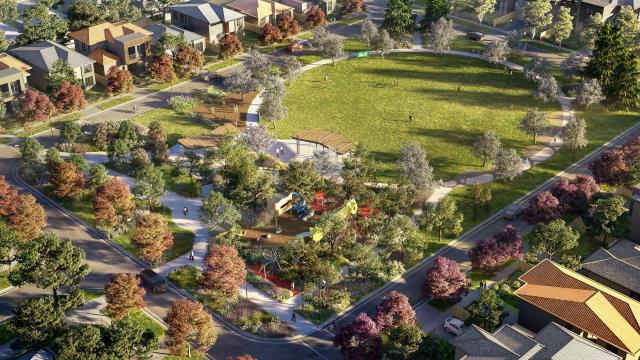
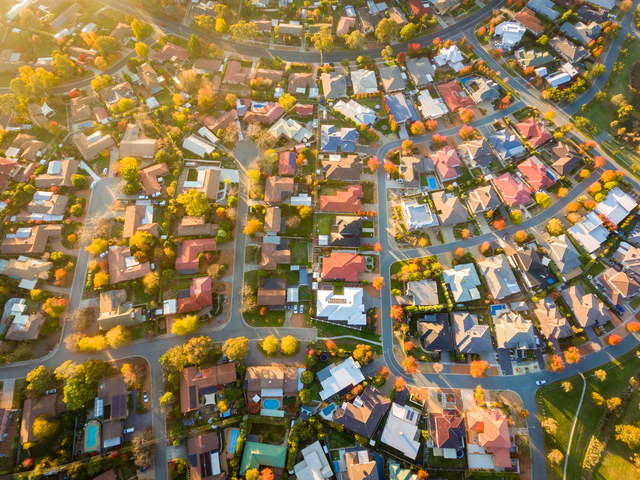
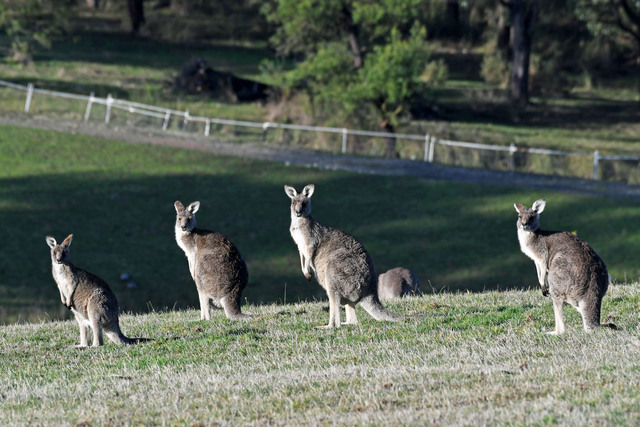
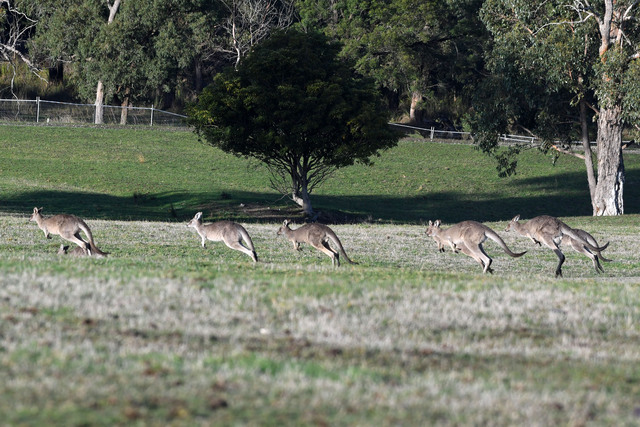
Today, hundreds reside on the depot’s surrounding land. Without any knowledge, one would think they are deep into the country, but this is mere hundreds of metres from Pakenham Road and the urban sprawl to the south.
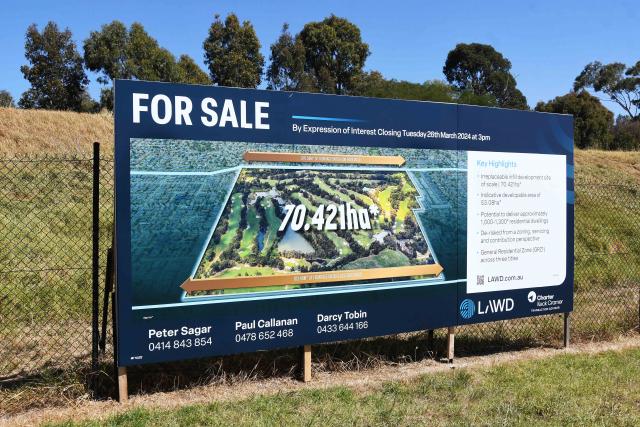
Robert says the increasing developments have pushed the kangaroos to the area and he wants to raise the question of what can be done to mitigate the level of deaths.
“They have nowhere to go,” he said.
“We’ve not seen anything like this in the last few years. It’s just getting worse.
“We’re just asking the various authorities, please pay respect to the wildlife in regard to the urban growth. What’s the plan?”
Wildlife Victoria recorded 25 road strikes on Pakenham Road over the last year, 18 of which involved Eastern Grey Kangaroos.
In Cardinia, Wildlife Victoria responded to 208 reports of road strikes. Many instances go unreported.
Across Australia, about 7000 insurance claims are made each year regarding a collision with a kangaroo. According to Budget Direct, five per cent of all road collisions involve animals and nine out of ten of them involve kangaroos.
Winter is when kangaroo deaths on roads peak each year as the lack of food requires wider foraging. Periods of drought, as has occurred over the last year, also have an effect of increasing foraging and subsequent road deaths.
Though it’s a large business, the Pakenham depot has found itself becoming a part-time shelter for injured kangaroos.
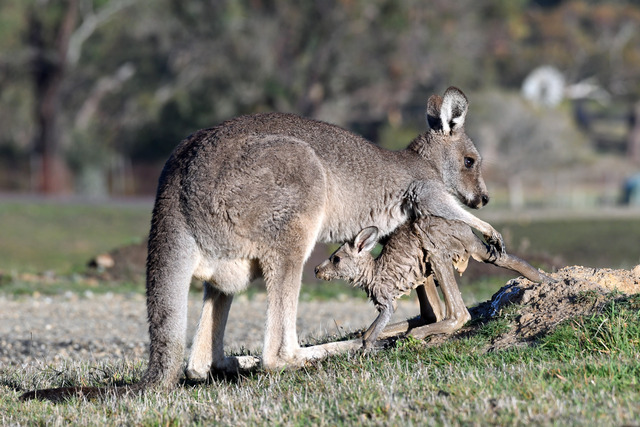
If a doe is hit and killed, the cushioning of the pouch can see the joey survive, hence why people are advised to check any dead kangaroos on the side of the road.
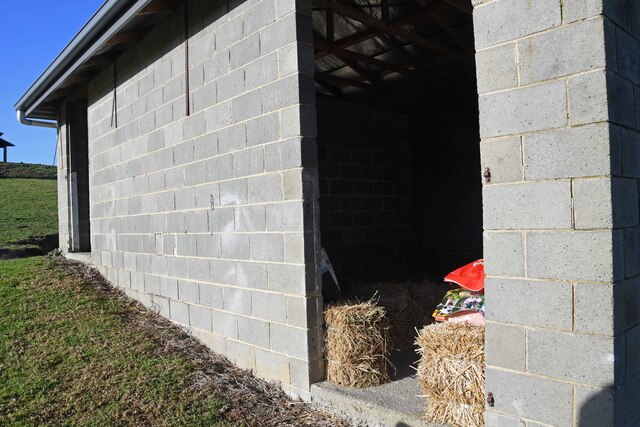
Robert and his staff have been taking in orphaned joeys or injured kangaroos, raising and recovering them in some of the empty stables at the property.
It’s not something Robert envisioned in his business, but he has felt compelled to do so.
“I find them with broken legs, broken hips, laying on the side of the road,” he said.
“Who’s responsible for their welfare? And the fact is, if it was a dog or a cat, it would be different. People almost seem to treat them as a pest. They’re not a pest. They’re mums and dads.”
The immediate questions for the road are its 100km/h speed limit and its narrow borders, which can see kangaroos trapped within the guardrail in a panic.
Robert makes no definitive claim for any change, but simply wants the situation to be reviewed.
He is open to suggestions, such as coordinating possible safe corridors for them through the area, especially given his experience in creating routes, whether with asphalt or fences.
President of the Victorian Kangaroo Alliance (VKA), Alyssa Wormald said outer Melbourne is continually displacing kangaroos and putting them in contact with homes and roads.
With multiple agencies dealing with road kill, Ms Wormald called for a unified strategy.
“Unfortunately, Victorian Labor is completely negligent when it comes to wildlife, and there is a lack of centralised leadership with councils, statutory authorities, and state government departments all playing various roles in development and roads, leading to confusion and poor outcomes,” she said.
“We need strategic leadership, with a clear line of responsibility and accountability, to ensure that roads and developments are as wildlife-friendly as possible.”
The VKA recently made a submission to the inquiry into wildlife road strikes in Victoria, where they call for virtual messaging to warn of wildlife and electronic variable speed limits in hotspots, as well as the installation of speed cameras to ensure reduced speeds.
Virtual fencing, which uses measures like audio signals to prevent wildlife from roads, is suggested to be further developed effectively for future implementation alongside the wider development of strategic underpasses and overpasses for animals to cross safely.
Ongoing road kill has required many animal shelters, typically run voluntarily, to emerge and more government support is called for by the VKA in the form of a small $2 levy on annual vehicle registration fees.
When it comes to the impacts of developments, it’s suggested that a legislative framework be developed to insert the consideration of wildlife in planning approvals.
“Existing planning requirements neglect wildlife considerations, and new developments frequently overlook the importance of wildlife-friendly design. To address this, we urgently need a legislative framework that prioritises wildlife welfare in development planning and approvals,” Ms Wormald said.
“Independent evaluations of wildlife impacts (and how to mitigate them) should be conducted to inform design decisions and community input, rather than relying on environmental impact assessments alone.”
When all alternatives are exhausted, Ms Wormald said the relocation of kangaroos entrapped in dangerous situations should be considered.
A spokesperson of Wildlife Victoria also called for a new approach to consider wildlife in urban development.
“Too often, new housing and infrastructure developments fail to consider their impact on native species. As a result, displaced animals become trapped in shrinking patches of grassland, forest, or paddocks, without safe wildlife corridors to move through,” they said.
“A more compassionate and innovative approach to housing development is urgently needed to ensure a future where humans and wildlife can coexist and thrive.”
The Department of Transport and Planning (DTP) said Pakenham Road is inspected on a weekly basis and asked drivers to stay vigilant for wildlife on the road.
“Preventing collisions with animals is an ongoing challenge as wildlife are unpredictable and enter our roads at any time regardless of roadside conditions,” a spokesperson said.
“When driving in areas where wildlife may be on the move, we encourage motorists to ensure they stick to safe speeds, leave plenty of space between them and the car in front and remain aware – particularly at dawn and dusk.”
Anyone who comes across injured native animals on roads should call Wildlife Victoria on 03 8400 7300.
To report any hazard on the road network, call the DTP customer service hotline on 13 11 70.
Cardinia Shire Council was contacted for comment.