
Weeds are more than just a backyard nuisance—they threaten native ecosystems, agriculture, water catchments, natural landscapes, recreational activities, human health, and the economy.
Reducing their impact requires a united community effort, Gazette journalist Afraa Kori reports.
“Weed problems can be overwhelming if they have gotten out of control. Some weeds are quite attractive, so you might not even realise they’re a problem.”
Gardeners from across Cardinia Shire flocked to the ‘Trees for Weeds’ swap event on Saturday, May 31, trading invasive plants for native greenery, while picking up expert advice on environmentally friendly gardening.
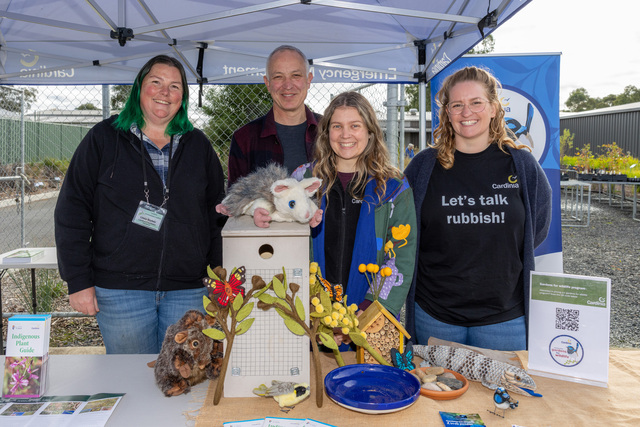
Held at the Cardinia Environment Coalition (CEC) Nursery, the event was a collaboration between Cardinia Shire Council and the CEC, aiming to educate residents on identifying invasive weeds and replacing them with indigenous species that restore local biodiversity.
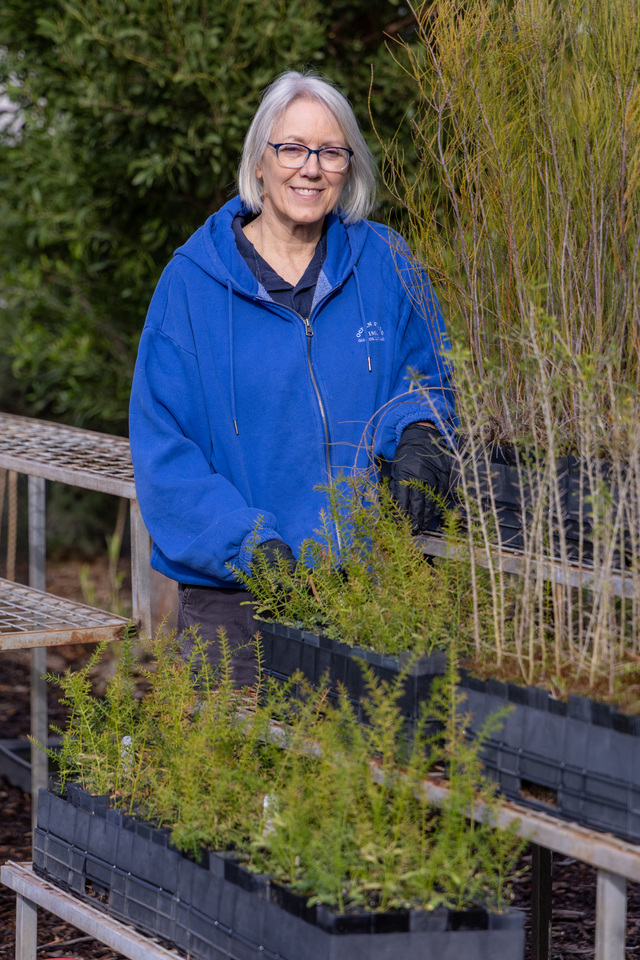
“We had three Council staff on hand—Annie from Gardens for Wildlife, Kate from the Waste Team, and Daniel Dujic, our Land Management Officer,” CEC Landcare facilitator Linda Sijpkes said.
“Daniel actually initiated the idea based on similar events the Council has run in the past with Friends of Emerald Lake Park.”
The turnout and engagement from the community was strong, with locals eager to learn more about protecting the environment through responsible gardening.
“We were happy with the turnout—it’s always great when people want to learn about the environment,” Linda said.
“There was a steady stream of people asking about the weeds in their gardens, how to remove them, and what to replace them with.
“I was busy the whole time talking to residents about the weeds they had, how to remove them and ideas for what to replace them with. We were lucky to have good weather on the day, and had a few people interested in volunteering for the nursery as well, overall a good day.”
One standout interaction captured the spirit of the day: “Spoke to a couple that had seen a greater glider in the backyard of their unit in Pakenham a few years ago which has inspired them to advocate for the environment and save habitat for wildlife,” Linda recalled.
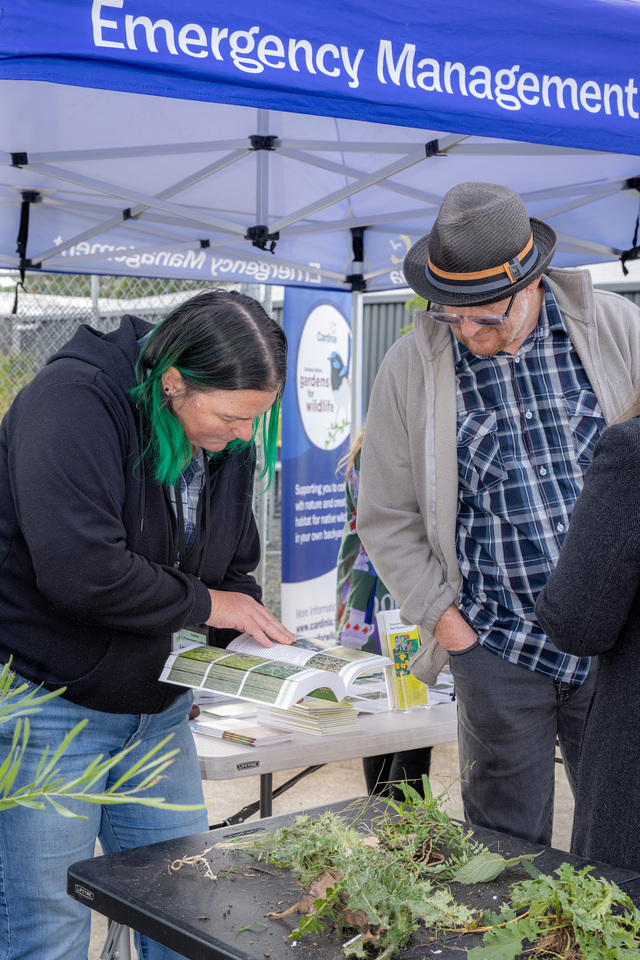
A key focus of the event was educating residents about weed identification and management. Participants brought in plant clippings—mostly Plantain and Red Mallow (Modiola caroliniana)—and some more unusual varieties that even stumped the team.
Hawthorn, a thorny tree (with white or pink flowers and red fruit) often mistaken for a desirable plant, was also discussed. Though often found in bushland, streams and gardens, the species can quickly outcompete native vegetation, especially in shady or damp areas.
“Weed problems can be overwhelming if they have gotten out of control. Some weeds are quite attractive, so you might not even realise they’re a problem,” Linda said.
“Some native plants can also become invasive and be mistaken for a weed.”
She advised residents without the resources for full removal to at least prevent spread by removing flowers before they seed or fruit before wildlife can spread them.
Residents were guided through a range of weed control methods, including hand-pulling seedlings and applying undiluted herbicide to cut stumps. Another method demonstrated involved drilling holes into the trunk and filling them with herbicide.
Many residents were interested in manual removal and cut-and-paint herbicide application—a technique used to kill weeds without disturbing surrounding roots or soil.
“For those looking for low-impact or chemical-free methods, digging out weeds completely—roots and all—is often the most effective,” Linda recommended.
“We also talked about using thick mulch to suppress regrowth, and a few attendees were curious about flame weeding as a natural alternative.”
A key step after weed removal that should not be neglected is replanting the cleared area. Native plants help restore biodiversity and reduce weed regrowth by filling bare spaces left after weed removal. When paired with mulch, they thrive and outcompete new weeds, while also providing vital habitat and food for local wildlife.
CEC reassured residents that they’re not alone in managing weeds, highlighting the knowledge and support available through Australian Plants Society group, Landcare networks, Cardinia Shire website, even apps like WeedScan and iNaturalist to help with plant identification.
Many left feeling empowered by expert advice on weed identification and control, inspired to make more ecologically responsible choices in their backyards.
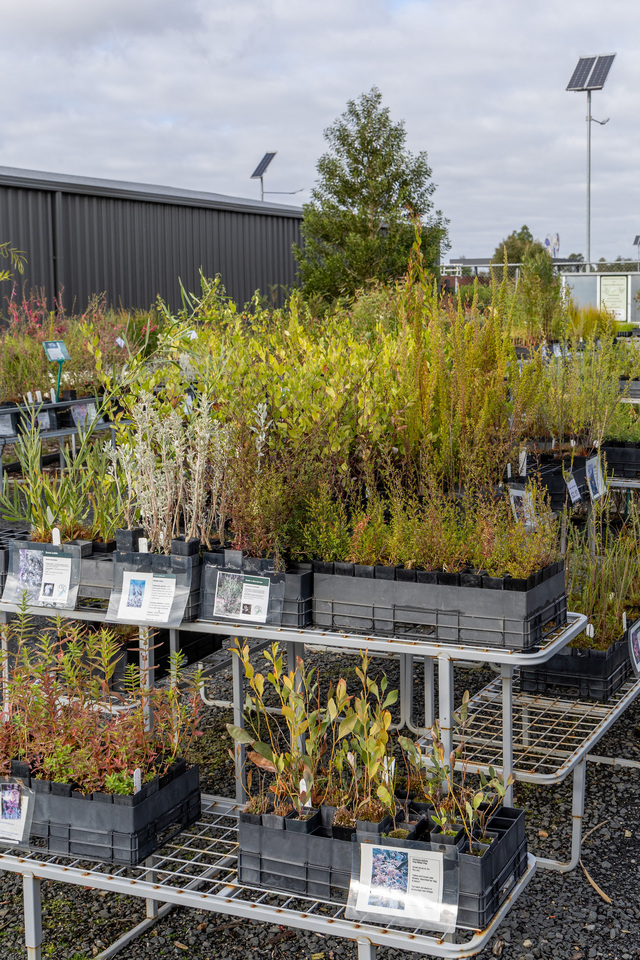
Attendees who brought in weed samples were rewarded with free indigenous plants to take home in exchange for their cuttings.
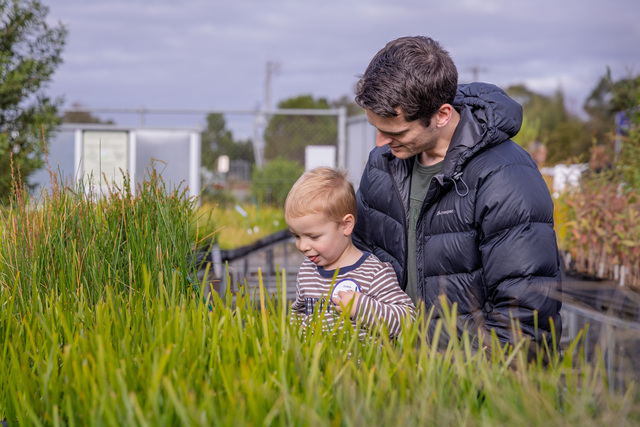
The plants offered were mostly low-growing shrubs and herbs suited to a variety of conditions, including moist shade, dry shade, full sun, and wet swamp areas. Linda provided guidance to attendees on suitable plant selections based on their specific garden environments.
The event highlighted the importance of community engagement in tackling environmental issues and marked another step forward in the Council and CEC’s ongoing commitment to biodiversity and weed management across the shire.